Warehouse cleanup FAQs help businesses plan what to remove, when to do the work, and how to keep daily tasks moving. Start with a clear list of items, safe paths, and a schedule that fits your site. In Petaluma, a good plan can help staff know what stays, what goes, and what needs special care.
Warehouses can collect old pallets, broken shelves, damaged furniture, and unused equipment. These items can take up space and make it harder to move goods safely. A planned cleanout gives your team time to sort items and choose the right next step for each one.
This guide covers what a warehouse cleanout may include, how to prepare, and what to ask a removal service. It also looks at common items such as appliances, concrete pieces, and equipment. Each site is different, so the plan should fit the building, its contents, and its daily work.
Table of Contents
- What does warehouse cleanup include?
- What affects the scope of warehouse cleanup?
- How should a warehouse cleanup be scheduled?
- How are pallets handled during a warehouse cleanout?
- Can shelving and racking be removed?
- What happens to unwanted equipment and machinery?
- How should warehouse debris be sorted for removal?
- How can a warehouse cleanout minimize disruption?
- What should property managers verify before hiring a junk removal service?
- How can businesses prepare for a warehouse cleanout?
- Frequently Asked Questions
- Key takeaways
- Conclusion
What does warehouse cleanup include?
Warehouse cleanup may include taking away unwanted pallets, shelving, furniture, appliances, equipment, and loose debris. The work depends on what the business wants cleared and what can be moved safely. A written list helps everyone agree on the job before removal starts.
Common materials and items removed
A business cleanout may include damaged pallets, empty packing supplies, broken office furniture, unused shelves, and old tools. It may also include large items such as desks, filing cabinets, refrigerators, or machines. Some jobs involve concrete chunks or building debris, which may need a different plan from regular junk.
Sort items before moving them. Set aside a marked area for things that must stay. This helps stop useful stock or company property from being taken by mistake. When possible, group items that can be reused, donated, recycled, or discarded.
How cleanup differs from routine janitorial work
Regular cleaning means daily tasks such as sweeping floors and emptying bins. A warehouse cleanout deals with large or unwanted items that must be sorted, carried, loaded, and removed. It may also need planning for loading docks, storage areas, and busy work zones.
A cleanout does not take the place of building care or hazardous-material work. Some items may contain chemicals, fuel, cooling fluid, or other materials that need special handling. Petaluma Junk Removal can talk with Petaluma property owners about regular removal needs and help identify items that may need a specialist.
What affects the scope of warehouse cleanup?
The job depends on how much material there is, what it is, and how easy it is to reach. The site may also need to keep working during removal. A few loose items are not the same as a full storage area with heavy machines. Review the site before making a plan.
Factors that shape the work
The number of items matters, along with their size, weight, state, and location. A large machine on an open floor may be easier to reach than small items high on a rack. Tight aisles, stairs, limited dock access, and nearby stock can also affect the plan.
The material type matters too. Regular furniture and clean pallets are different from concrete debris, appliances, or machines with fluids or electrical parts. Before removal, point out anything that is damaged, connected to power or pipes, or may be unsafe to handle.
Comparing small and large cleanouts
A small business removal may involve a few broken chairs, boxes, or appliances. A larger warehouse cleanout may cover several areas, mixed materials, and work with staff or tenants. A larger job often needs more sorting and planning to keep routes and work areas clear.
When you talk about the job, explain what should go and what must stay. Photos or a walk-through can help show access and the state of each item. A clear plan can also prevent confusion if more items are added later. The final cost depends on the amount and type of material, access, and handling needs; confirm it in a quote.
How should a warehouse cleanup be scheduled?
Choose a time when the removal team can reach the items safely and normal work will face less disruption. The best time depends on shifts, deliveries, stock movement, and building rules. A shared schedule lets staff know which areas will be affected and when.
Planning around shifts and deliveries
Check the site calendar before picking a day. If you can, avoid busy delivery times, large orders, or planned stock moves. If the warehouse has more than one shift, decide whether the work should happen between shifts or in stages while the site stays open.
Check how vehicles can reach the loading area. Decide whether a dock or entrance must stay open. Ask about building access, security steps, and approval from a landlord or property manager. These checks can help prevent delays and keep other people at the site informed.
Preparing staff and work areas
Tell staff which areas will be cleared and mark anything that must not move. When practical, move active stock away from the work zone. If staff or contractors will be nearby, show them where they can walk and which paths must stay open.
A short team talk can cover timing, entry points, and who can answer questions. Keep the directions simple and easy to see. For a job done in stages, choose one person to check each area before removal starts there.
How are pallets handled during a warehouse cleanout?
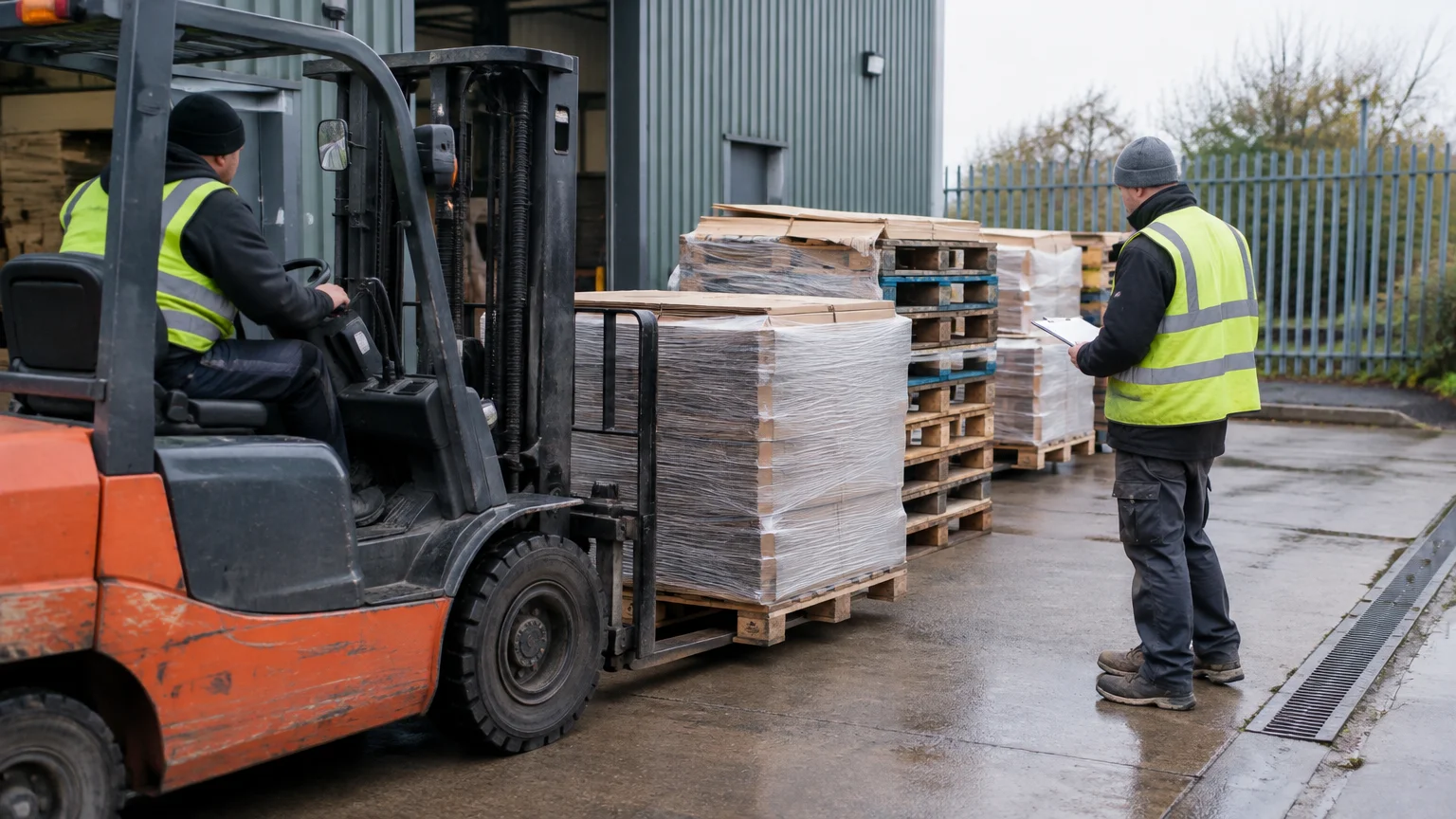
Sort pallets by their condition and who owns them before removal. Keep or return reusable pallets through the business’s usual process. Set broken or unwanted pallets apart for removal. Clear sorting helps protect pallets that belong to a supplier or another tenant.
Sorting reusable, damaged, and unwanted pallets
Check if pallets belong to the business, are part of a supplier return plan, or have another use. Put reusable pallets together in a marked spot. Separate broken pallets, including ones with loose boards, exposed nails, or signs of a spill.
Do not assume that all pallets can go into the same waste group. The right next step can depend on their material and condition. If a pallet has a spill or an unknown substance, keep it apart and ask the site lead how to handle it.
Keeping staging areas clear and safe
Choose a place for pallets that does not block a door, aisle, exit, or loading area. Keep stacks steady and follow the site’s usual safety rules. Do not put pallets where moving equipment or people could knock them over.
If pallets are kept outside, check that the spot is allowed and does not block drains or access. Tell the removal team where the sorted pallets are. This makes it easier to tell unwanted pallets from those the business wants to keep.
Can shelving and racking be removed?
Shelves and storage racks can often be removed if the business has permission and the work can be done safely. First, check if the structure is fixed, loaded, damaged, or joined to other parts of the building. Do not let untrained staff take apart heavy or unsteady racks.
What to check before dismantling
Move stored goods away and mark any parts that must stay. Check with the property owner or facilities lead before removing fixtures. Some storage systems may belong to the building. Look at the space around the structure and keep people away from the work area.
Some racks are fixed to a floor or wall. Taking them out may leave holes or parts that need repair. If the work involves power lines, built-in systems, or unknown connections, stop. Ask a trained professional to check them before removal.
Coordinating with warehouse operations
Plan the work so nearby storage and active paths stay safe. Move goods out of the area and mark a clear work boundary. Tell staff when an aisle will close and how to reach other parts of the warehouse.
The removal team should know which parts can go and which must stay. Marking the items and checking the plan together can help prevent mistakes. If the site stays open, ask the site lead to approve each stage before work moves on.
What happens to unwanted equipment and machinery?
Identify and check unwanted equipment before anyone moves it. Some items can be treated as large general junk, while others may have oil, batteries, cooling fluid, or electrical parts. Mark unknown or connected equipment for review before removal.
Identifying items that need special handling
Make a list of machines, appliances, and tools the business no longer needs. Note if each item is plugged in, connected to a service, leaking, or damaged. A refrigerator or other appliance may need careful preparation. Staff should not cut lines or remove parts without proper training.
If equipment has a battery, fluid, chemical, or unknown material, keep it away from regular debris. Follow the site’s safety steps and ask a suitable specialist if you do not know what is inside. Do not put these items in a general pile just to make the cleanout faster.
Separating reusable equipment from general debris
Some equipment may still work and could help another team or site. Mark it for reuse before removal day and keep it away from the junk pile. For company property, make sure the right person has approved its release.
Broken furniture can usually go with other large items once the business confirms it is unwanted. Empty desks, chairs, and cabinets first. Check refrigerators and other appliances for contents and handling needs before moving them.
How should warehouse debris be sorted for removal?
Sort warehouse debris by its material, condition, and handling needs. Keep regular junk away from items that may be risky or need a special route. Good sorting makes the job easier to explain and helps keep useful stock out of the removal pile.
Separating ordinary junk from special materials
Set aside clean, regular items such as unwanted furniture, empty shelf parts, and general packing materials. Keep appliances, batteries, electronics, liquids, and unknown materials apart until you know how to handle them. Do not mix items that may be hazardous with regular debris.
The words “cleanup junk files” usually mean digital files, not physical warehouse waste. Clearing computer files is a separate task and should follow the business’s data rules. In the same way, “space junk cleanup” is a different subject. It does not mean clearing a warehouse floor or storage area.
Preparing bulky debris
Empty drawers, cabinets, and furniture before removal when it is safe to do so. Keep loose items together and mark anything that belongs to another team. Large objects need a clear path from where they are now to the loading area.
Concrete chunks and heavy building debris need extra care because they are dense and hard to move. Keep them apart from lighter items. Tell the removal service what the material is and where it is stored so the handling plan fits the load.
How can a warehouse cleanout minimize disruption?
Plan work areas, access paths, and timing before the cleanout to limit disruption. The warehouse lead should decide which areas can close and which must stay open. Clear signs and staff updates help everyone stay away from the work area.
Protecting work zones and access routes
Mark the removal area and keep it separate from active storage or picking areas. Leave clear paths for staff and equipment. Do not block exits, safety stations, loading doors, or routes that people need for normal work.
If the site uses forklifts or other moving equipment, agree on how the removal team will work nearby. Keep people who are not part of the job away from lifting and loading areas. Stop work if a new hazard appears or a route becomes unsafe.
Coordinating with employees, tenants, and contractors
Tell staff, tenants, and contractors what will happen and which areas may be affected. Share the planned time and name a person who can answer site questions. In a shared building, check access rules with the property manager before work starts.
A cleanout in stages may work better for a busy warehouse than clearing every area at once. Finish one space, check the path, and then move to the next. This can help the business keep key work going while unwanted items are removed.
What should property managers verify before hiring a junk removal service?
Property managers should agree on the items, access, material types, and handling plan before hiring a removal service. They should also check building rules and confirm who can approve the work. Clear answers help the service plan the visit and prevent confusion at the site.
Confirming scope and site requirements
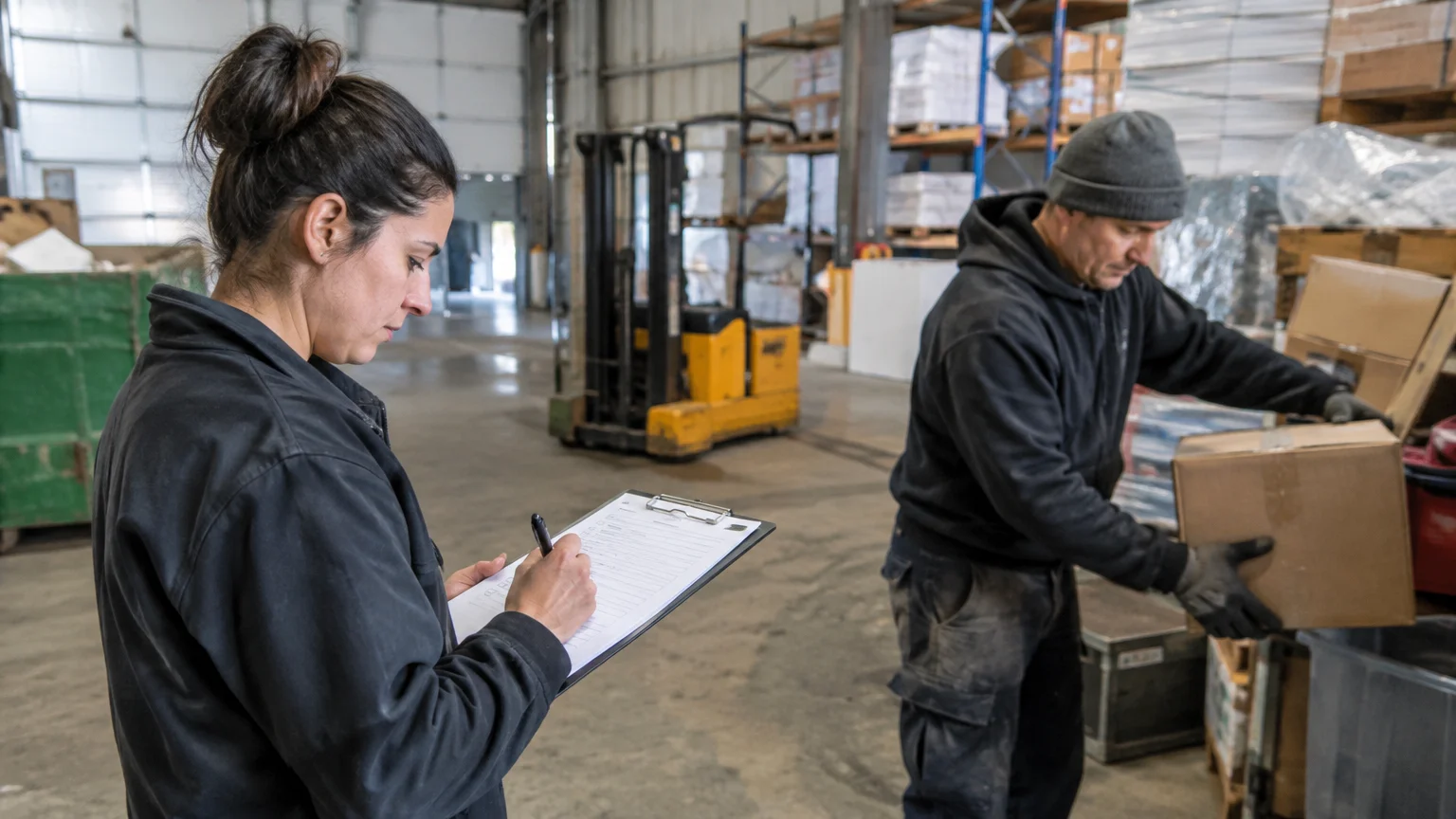
List the items to remove and point out anything that must stay. Share details about stairs, narrow doors, loading docks, access hours, and parking limits. Explain whether the warehouse will be open during the work and which routes must remain clear.
Ask what the service can take and what needs another handling route. This is important for appliances, machines, batteries, liquids, and concrete debris. The service should explain its process in plain words and say when another trained provider may be needed.
Questions to ask about handling
Ask how the crew will tell approved items apart, protect the work area, and keep paths open. Find out how the service handles reusable items and materials that may need special disposal. Also ask what the business should do before the crew arrives.
Do not rely on broad promises without a clear plan. Review what is included, what is not included, and how changes will be handled. Petaluma Junk Removal can talk with local businesses about removal needs and help them decide whether a warehouse cleanout fits its service plan.
How can businesses prepare for a warehouse cleanout?
Businesses can get ready by making a list, marking what stays, and clearing a safe path to the items. A short site check before the visit can catch access problems early. Choose one person who can answer questions about the items.
Creating an inventory
Walk through each planned area and write down what should be removed. Note large items, appliances, machines, and debris that may need special handling. Mark valuable equipment and company property so nobody mistakes them for unwanted items.
Use signs, labels, or separate areas to show what should stay, go, or be checked. Empty furniture and cabinets when it is safe and allowed. Tell staff not to add new items to the removal area without approval.
Final walkthrough and checks
Before the crew arrives, make sure the path is open and the work area is ready. Confirm that approval, keys, and entry details are in place. Review any safety rules the removal team needs to follow.
After the cleanout, walk through the space with the site lead. Check that needed items remain, paths are clear, and the space is ready for its next use. Write down any repairs or upkeep that another team needs to handle.
Frequently Asked Questions
How do businesses get rid of an old refrigerator?
Empty the refrigerator first and check its condition and connections. Do not cut service lines or remove parts without proper training. Ask a removal service or trained appliance handler what preparation is needed. Refrigerators may need a different route from regular furniture and loose warehouse debris.
How can a business dispose of old or broken furniture?
Mark furniture for removal and empty desks, cabinets, and drawers first. Keep items that may be used again in a separate area. Broken furniture can go with other large junk when it has no special risk. Handle damaged parts with care because they may have sharp edges or loose pieces.
How should a warehouse dispose of concrete chunks?
Keep concrete chunks separate from light, mixed debris. Tell the removal service what the material is, where it is stored, and whether anything else is mixed in. Concrete is heavy and may need its own handling plan. Do not overload carts, bins, or equipment that are not made for heavy loads.
Can a warehouse cleanout happen while the business is open?
It may be possible if the work area can stay apart from active operations. Plan paths, staff notices, delivery times, and safety limits first. If people and equipment cannot stay clear of the removal zone, choose a quieter time for the work.
What should be done with equipment that may contain fluids or batteries?
Keep the item away from regular junk and do not open or take it apart. Mark it for review and follow the site’s safety rules. Ask a trained handler what to do next if the contents are unknown, leaking, or connected to a service.
Key takeaways
- Make a list and mark what must stay before removal begins.
- Sort pallets, appliances, equipment, and heavy debris by type and condition.
- Keep exits, work paths, and loading areas clear during the cleanout.
- Ask about special handling for batteries, fluids, and unknown materials.
- Confirm site access, the job plan, and preparation needs ahead of time.
Conclusion
A well-planned warehouse cleanout starts with clear sorting, safe access, and agreement on what will be removed. Businesses can prevent confusion by choosing a site lead and sharing the plan with staff, tenants, and contractors. For help with commercial junk removal, Contact us to discuss your warehouse cleanup with Petaluma Junk Removal.
If you are not sure what you are dealing with, it is worth having someone look at it before it turns into a bigger job. Get in touch with Petaluma Junk Removal today and we will tell you where you stand.