Foreclosure cleanout FAQs can help property owners, managers, and professionals plan what to keep and what to remove. The amount of work, site access, and special handling needs shape the schedule and cost. Clear instructions help protect belongings and prepare a property in Petaluma for sale, repairs, or turnover.
A foreclosed property may contain furniture, appliances, papers, and building debris. The next owner or manager may need the space cleared, but some items may still belong to someone. A simple plan lists what stays, what goes, and what needs special care. This guide covers the main choices and steps.
Table of Contents
- What Is a Foreclosure Cleanout?
- How Much Does a Foreclosure Cleanout Cost?
- How Long Does a Foreclosure Cleanout Take?
- What Should Stay in a Foreclosed Property?
- What Items Should Be Removed From a Foreclosed Property?
- How Should You Sort Items Before a Foreclosure Cleanout?
- Can a Foreclosure Cleanout Include Yard Debris and Exterior Cleanup?
- How Do You Handle Hazardous or Restricted Materials?
- How Can You Prepare a Foreclosed Property for Sale or Turnover?
- How Do You Choose a Foreclosure Cleanout Service?
- Frequently Asked Questions
- Key Takeaways
- Conclusion
What Is a Foreclosure Cleanout?
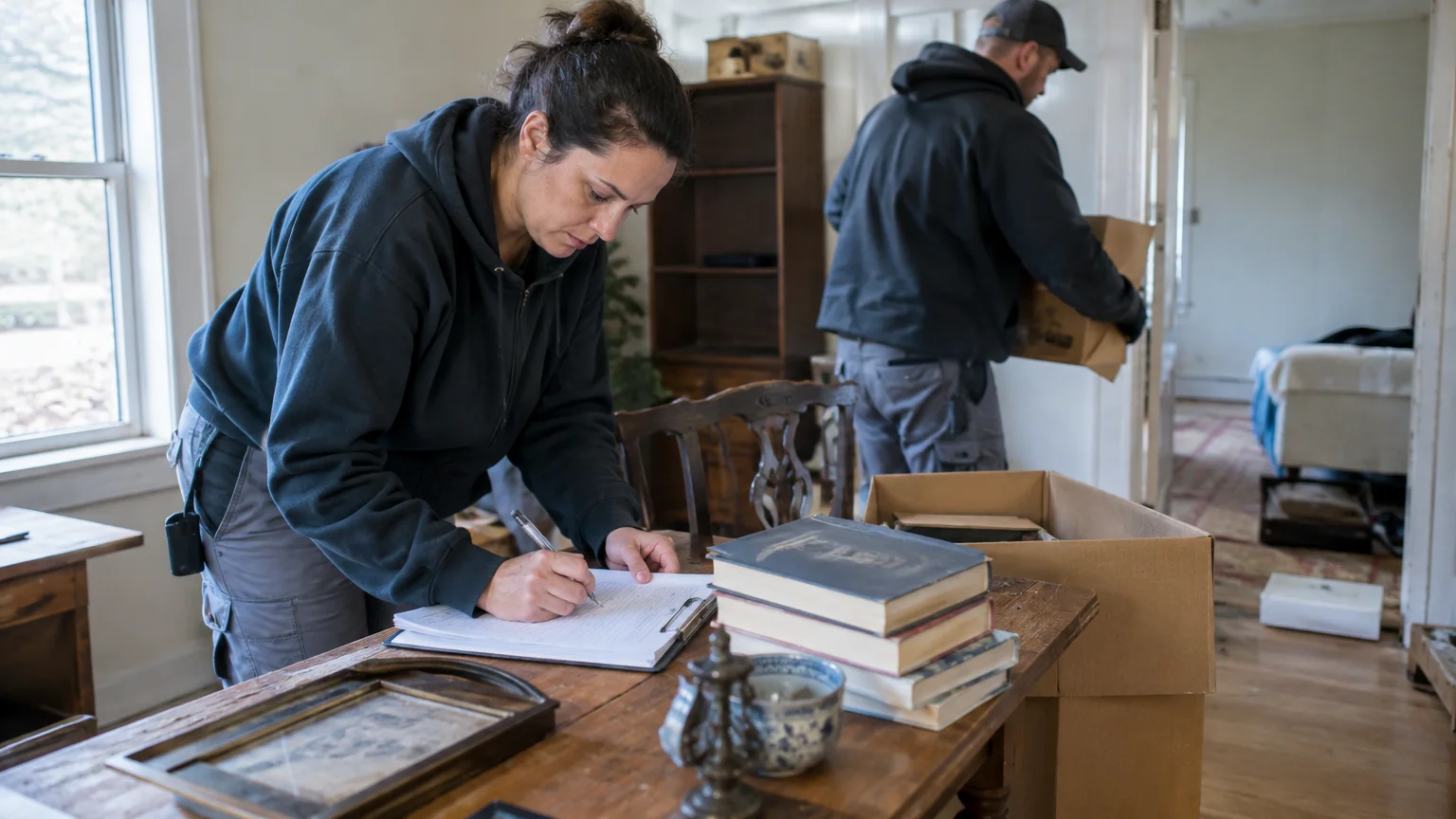
A foreclosure cleanout removes unwanted belongings, rubbish, and debris from a home or other property after foreclosure. It can help get a space ready for sale, repairs, new tenants, or a new owner. The work may cover one room or the whole property, based on clear written instructions.
A routine junk removal visit often handles a smaller group of items. A foreclosure cleanout may cover many rooms, storage areas, and outdoor spaces. The crew may need to work around items that belong to the property, personal papers, or materials that cannot go with regular waste. A clear plan helps everyone know what to do before work starts.
How does a cleanout differ from routine junk removal?
A cleanout often needs more planning than a simple pickup. Items may be left in closets, cabinets, garages, sheds, or crawl spaces. Some things may be heavy or broken, while others need review before removal. A house cleanout can help when work covers several parts of a home.
Routine junk removal may focus on a few pieces of furniture or one appliance. A whole-house cleanout covers more space and may call for choices about what to keep, donate, recycle, or haul away. The right plan depends on the property’s condition and what the owner needs next. These same questions can help when reading house cleanout FAQs or planning other cleanouts.
Who typically arranges a foreclosure cleanout?
A bank, lender, property owner, real estate professional, property manager, or new owner may arrange the work. An estate representative or legal professional may also help decide what can go. The person who books the service should have the right to give clear instructions.
Petaluma Junk Removal can talk with Petaluma property owners and managers about the work plan. A local estate cleanout may also cover inherited homes, but a foreclosure job must follow directions from the person responsible for the property. If instructions are unclear, stop and check rather than guess.
How Much Does a Foreclosure Cleanout Cost?
The cost of a foreclosure cleanout depends on how much material there is, what it is made of, and how easy it is to reach. A small, open room usually takes less work than a packed home with stairs, heavy items, or yard debris. Sorting and special handling can also affect the work. The final cost is confirmed on a quote once the scope is clear.
There is no one amount that fits every property. A small house cleanout may cover a few large items, while a full property cleanout can include many rooms and kinds of waste. Refrigerators, concrete, and large piles of mixed debris may need different handling. Share the details so the work and expected cost can be reviewed for the actual job.
What factors affect the overall cost?
The amount of material is one key factor. The size and weight of items, stairs, narrow halls, truck access, and time needed for sorting can also matter. A property ready for loading may be simpler than one with blocked rooms or loose debris throughout.
The type of material matters, too. Some appliances need special recycling or disposal. Unknown chemicals, sharp objects, and damaged building materials may need a pause and a closer look. Share known risks before the visit. Photos can help explain the site, but they do not replace a clear plan for the work.
How does the scope compare with other property cleanouts?
A small pickup is usually less involved than clearing a whole home. An estate cleanout may call for careful sorting of personal belongings, while a foreclosure job often focuses on getting the property ready for sale or turnover. The work can overlap, so the service name alone does not tell you what is included.
Ask the provider to review the rooms and materials in the job. Say what must stay, what can go, and whether the garage or yard is included. Petaluma Junk Removal can explain how the scope affects the work and confirm the expected cost on a quote. Do not rely on a broad service label alone.
How Long Does a Foreclosure Cleanout Take?
A foreclosure cleanout may take one visit or more than one work period. The amount to remove, condition of the property, access, and sorting needs all affect the schedule. The crew size and any materials that need special handling can also change the timing. A clear work plan and easy access help the provider give a useful estimate.
A mostly empty home with a few items may take less time than a full property with blocked paths, a packed garage, and outdoor debris. Weather can affect work outside. Repairs or utility work may add time beyond the cleanout itself, so keep those tasks in the wider handover plan.
What can affect the cleanup timeline?
The number of rooms and amount of material shape how much loading and sorting the crew must do. Heavy furniture and appliances can take longer to move, especially on stairs or through narrow doorways. Loose items spread across several floors may need more planning than items grouped in easy-to-reach areas.
Unclear ownership can also slow the work. If no one has confirmed whether an item should stay, removal may need to pause until the responsible person decides. Hazardous or restricted materials may need a separate plan. Sharing known details early can help avoid delays that could have been prevented.
How can property owners prepare for a faster turnaround?
Before the crew arrives, mark items that must stay and make a safe path to the items being removed. Have keys, entry details, parking instructions, and access codes ready. If there are alarms, locked rooms, or shared spaces, settle those details ahead of time.
A short checklist can help everyone prepare:
- Confirm who can approve removal choices.
- Mark fixtures and belongings that must remain.
- Group items for donation, recycling, or removal when practical.
- Point out stairs, narrow paths, and known safety concerns.
- Confirm whether the garage, basement, and yard are included.
These steps help the crew follow the same plan as the property manager. They cannot promise an exact finish time, but they can prevent confusion and extra visits. If new items or hazards are found, the work plan may need to change.
What Should Stay in a Foreclosed Property?
Items that are part of the building or named in written instructions should stay. These may include built-in cabinets, attached shelves, plumbing fixtures, doors, and other fixed parts. The right choice depends on ownership, sale papers, and directions from the person who has authority over the property.
A fixture is an item attached to a building as part of the property. A loose lamp or chair is usually a personal item, while a built-in light or cabinet may be a fixture. If an item’s status is not clear, leave it in place until the responsible person confirms what to do.
How can you identify fixtures and items that belong with the property?
Look for items that are attached, built in, or needed for the home to work. Examples include a furnace, water heater, installed kitchen cabinets, and fixed plumbing. But agreements and property records may affect ownership, so looks alone may not settle the question.
Check the sale papers, work order, or written directions. Mark items with clear labels or tape if everyone understands the system. Photos from before the cleanout can show what was there and may help prevent later questions. Keep a copy of the instructions where the person leading the work can see them.
What should you do when ownership or instructions are unclear?
Pause work on the item and ask the owner, manager, or authorized representative. Silence does not mean permission to throw something away. Papers, keys, photos, tools, and items that may have value need extra care until someone gives clear direction.
Keep a written list of questions and decisions. Note the item, where it is, and who approved the choice. If the property has legal or sale rules, follow the person responsible for those rules. Taking this careful step can help prevent damage, conflict, and the loss of important belongings.
What Items Should Be Removed From a Foreclosed Property?
Common items for removal include unwanted furniture, broken household goods, bagged rubbish, old mattresses, and loose debris. A cleanout may also cover appliances, garage items, and belongings left in sheds or storage rooms. The removal list should match the owner’s directions and the rules for each kind of material.
Furniture may be donated if it is clean, safe, and accepted by a local group. Broken furniture may need to be hauled away if it cannot be fixed or reused. For an old refrigerator, ask the provider about proper handling. Do not leave it outdoors or put it with ordinary trash without checking the rules.
Which belongings, debris, and discarded materials are commonly removed?
A crew may remove couches, tables, dressers, boxes, rugs, and damaged household items. The agreed work may also include yard waste, scrap, and small amounts of leftover building material. Concrete chunks are heavy, so list them before work begins and ask about the right way to handle them.
Appliances may include refrigerators, washers, dryers, or stoves. Before arranging removal of a refrigerator, check whether it still holds food. Do not cut its lines or try to remove refrigerant. Ask about appliance recycling and local rules. Use the same care when deciding how to dispose of other appliances.
How should potentially valuable or personal items be handled?
Keep personal papers, family photos, medication, keys, cash, and small valuables out of the removal area until they have been reviewed. A property manager can set aside a safe place for items that need an owner’s decision. Do not assume something has no value because it looks old or damaged.
If a house cleanout sale is planned, separate sale items before hauling starts. A sale may take time to arrange, so the cleanout plan should say where those items will be kept and who can approve their sale. A written list and photos can help everyone track what was found and where it went.
How Should You Sort Items Before a Foreclosure Cleanout?
Sort items into clear groups before removal when there is enough time and a safe place. Keep, donate, recycle, and haul away are useful group names. This makes choices easier and helps protect useful items from being removed by mistake.
A full sort is not always needed before help arrives. If a property is packed or unsafe to enter, the responsible person can mark only the items that must stay. They can ask the provider how to handle the rest. The service should not make ownership choices for the owner.
Which items should be kept, donated, recycled, or hauled away?
Keep items named in the work order, personal belongings that still need review, and anything attached to the home. Donate clean items that a local group accepts. Recycle materials when a suitable program takes them. Haul away broken, unwanted items that cannot be reused or safely recycled.
A simple sorting plan can be:
- Keep: fixtures, records, keys, and items claimed by the owner.
- Donate: clean furniture and household goods that are safe to use.
- Recycle: accepted appliances, metals, and other eligible materials.
- Haul away: broken furniture, mixed rubbish, and unwanted debris.
Rules can differ by material and place. Check with the recipient or disposal provider before setting items aside. If a group will not accept an item, update the plan rather than leaving it in the donation pile.
How can you document decisions and reduce the risk of removing something important?
Take photos before sorting and write down the items that must stay. Mark those items so the crew can see them, and tell the person leading the work about special directions. If several people are involved, choose one person to give final decisions.
For valuable or personal items, note where they were found and who took responsibility for them. A short sign-off after the walkthrough can record what was removed and what remains. These notes do not replace legal advice, but they can make everyday choices easier to track.
Can a Foreclosure Cleanout Include Yard Debris and Exterior Cleanup?
A foreclosure cleanout can include outdoor items when the owner and provider agree on the work. This may cover loose branches, unwanted patio furniture, discarded tools, or debris in a yard, garage, or shed. List exterior work before the visit so the crew can plan for access and handling.
A cluttered yard can affect how the property looks and may block access for repairs or inspections. Still, a cleanout is not the same as landscaping, tree work, or building repair. Ask which materials the provider accepts and which tasks need another service.
What outdoor materials may be included?
The agreed work may include bagged yard waste, loose outdoor furniture, small storage items, and some non-hazardous debris. Discuss concrete chunks or heavy materials ahead of time. Their size and weight may affect how they can be moved and disposed of safely.
A house cleanout may also include an attached garage or shed. Point out items that belong to a neighbor, landlord, or utility provider. Keep paths to doors, meters, and service equipment clear unless the owner has approved work in those areas.
When might separate repair or property-maintenance work be needed?
A cleanout removes agreed items; it does not fix structural damage, plumbing leaks, electrical faults, or pest problems. It may not include mowing, tree removal, deep cleaning, or wall and floor repairs. Arrange separate help when the property needs those tasks.
If the crew finds exposed wires, a damaged floor, or a strong chemical smell, stop work nearby and tell the property manager. Safety matters more than a fast handover. Once the danger is checked and a repair plan is clear, the cleanout can continue in safe areas.
How Do You Handle Hazardous or Restricted Materials?
Do not put unknown chemicals, fuel, paint, or similar materials in an ordinary junk pile. Hazardous or restricted materials may need special handling, and local rules can differ. If a container leaks, has no label, or gives off fumes, keep people away and contact the proper local safety or waste office.
Tell the cleanout crew about known hazards before work begins. Do not open containers, mix products, or pour liquids down a drain. A service may be able to say what it accepts, but some materials need a trained specialist or a local household hazardous waste program.
Which materials may need specialized handling?
Batteries, fuel, pesticides, some paints, solvents, and unknown liquids may need a separate disposal plan. Appliances that use refrigerant also need proper handling. Do not take apart a damaged or leaking refrigerator, or leave it where children can reach it.
Some older building materials may need testing before removal. If a material looks unusual or the property has a history of damage, do not disturb it just to speed up the cleanout. Ask a qualified professional to check it and explain the safe next step.
What should you do if you discover unknown chemicals or unsafe conditions?
Stop work near the material, do not touch it, and keep people and pets away. Tell the owner or manager what you found and where it is. If there is immediate danger, follow local emergency guidance instead of waiting for a regular cleanout visit.
The next step depends on the material and the risk. A local waste office or qualified hazardous-material professional can explain what to do. Work can start again after the area is safe and the person in charge has updated the plan.
How Can You Prepare a Foreclosed Property for Sale or Turnover?
Start by confirming the goal, the items that must stay, and the areas included in the work. Then arrange access, mark important belongings, and share known safety concerns. These steps help the crew remove the right things and prepare the property for its next task.
A ready property may mean rooms are clear for repairs, staging, inspection, or a new occupant. It does not always mean the home is fully cleaned or repaired. Explain what the next person needs so the cleanout plan supports that goal without promising work outside its scope.
What should be checked before the cleanout begins?
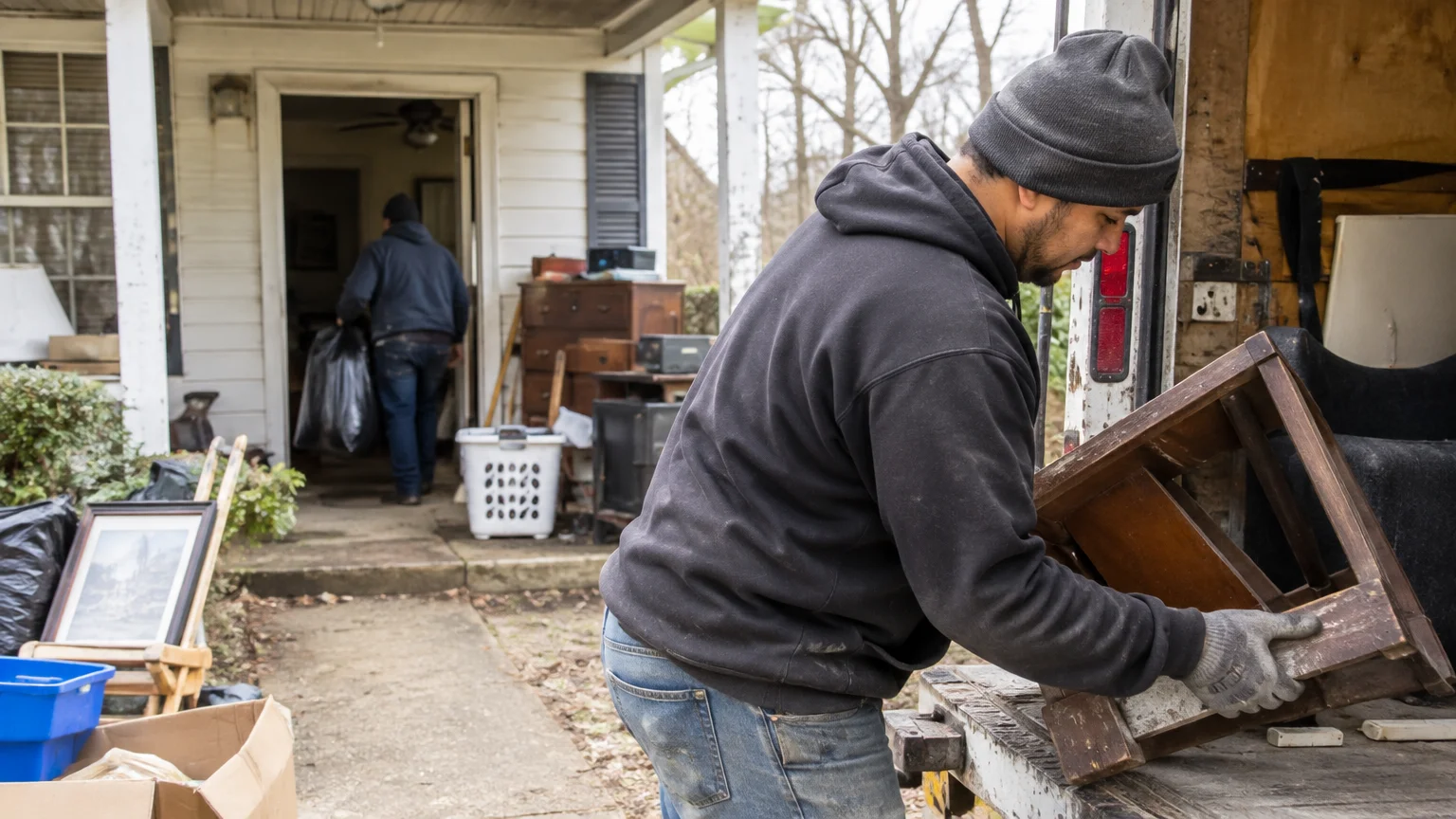
Confirm who can approve removal and make sure the written directions match the current plan. If it is safe, walk through the property and list the rooms, closets, storage spaces, and outdoor areas included. Set aside papers, keys, and belongings that still need an owner’s decision.
Make sure the crew can reach the work areas and point out locked rooms or shared spaces. Note broken steps, low ceilings, pets, and other access concerns. Petaluma Junk Removal can review these details with the person arranging the job before work starts.
What final walkthrough helps confirm the property is ready for its next step?
After removal, walk through each included area and compare it with the original directions. Check closets, cabinets, the garage, and outdoor spaces if they were part of the job. Look for items that should have stayed and make sure the agreed debris is gone.
The final check can note damage, items that could not be removed, or tasks that need another provider. Take updated photos and share them with the owner or manager. A clear record can make the handoff easier for a buyer, repair crew, or new occupant.
How Do You Choose a Foreclosure Cleanout Service?
Choose a service that explains its process, confirms what it accepts, and follows clear property directions. Ask about its work with large cleanouts, bulky items, appliances, and access limits. The right fit should understand the job and explain what is included before work begins.
Search phrases such as “house cleanout services near me” or “estate cleanout service near me” may help you find nearby options. Compare providers by asking each the same questions, not by relying on a short listing alone. Check that the service covers the property location and can work with the needed schedule. Related office cleanout FAQs and retail removal FAQs may also help business owners plan other kinds of property clearing.
What experience and service details should you verify?
Ask whether the provider handles whole-house cleanouts, foreclosure properties, and the items at the site. Confirm how it handles furniture, appliances, yard debris, and materials that may need special disposal. Find out what it does not take so restricted items do not cause an unexpected delay.
Ask how the crew protects floors and walls, records items left behind, and handles unclear directions. A reliable provider should welcome clear questions and avoid promises about work outside its stated service. Read the written work plan before agreeing to start.
What information helps clarify the scope and expected completion?
Share the property size, number of rooms, access details, and a list of large items. Mention stairs, elevators, narrow paths, parking limits, and known hazards. Photos can help the provider understand the site, but confirm all key directions in writing.
Ask which areas are included, what will stay, and how donation or recycling may work. The expected completion depends on the actual job, so ask for a schedule based on the stated scope. A clear quote should confirm the final cost and the work it covers.
Frequently Asked Questions
How do you get rid of an old refrigerator?
First, remove food and keep children away from the appliance. Do not cut lines or try to remove refrigerant yourself. Ask an appliance recycler, local waste program, or junk removal provider about pickup choices. A damaged refrigerator may need special handling, so explain its condition before arranging removal.
How do you get rid of broken furniture?
Check whether the item can be fixed, donated, or reused for parts. If it is unsafe or cannot be used, arrange removal through a provider that accepts bulky furniture. Keep sharp pieces away from walkways, and mention heavy or broken parts when you describe the work.
Can a cleanout include concrete chunks?
It may, if the provider accepts concrete and the agreed work includes it. Concrete is heavy and can be hard to move, so do not assume it can go with regular household debris. Share its location and condition before the cleanout so the handling plan can be confirmed.
Is a house cleanout service the same as estate cleanout service?
The work can overlap, but the needs may differ. A house cleanout often focuses on removing unwanted items from a home. Estate cleanout services may allow more time to sort personal belongings and follow family directions. List the exact tasks before work begins.
What happens to items that may have value?
Set them aside until the owner or authorized representative decides what to do. Keep personal papers, family photos, keys, and possible sale items out of the removal pile. A written list and clear labels can help protect these belongings during a busy cleanout.
Key Takeaways
- A foreclosure cleanout clears agreed items before sale, repairs, or turnover.
- Written directions help separate fixtures from belongings that may be removed.
- Material, access, and special handling needs affect timing and cost.
- Unknown chemicals and unsafe materials need care, not guesswork.
- A final walkthrough helps check that the property is ready for its next step.
Conclusion
A well-planned foreclosure cleanout starts with clear authority, a list of items that must stay, and a defined work area. Sorting, access details, and early notice about appliances or hazards can help avoid delays. The right service should confirm what it can handle and explain the work scope before it begins.
For help planning a cleanout, contact Petaluma Junk Removal and Contact us to discuss the items, access, and next steps.
If you are not sure what you are dealing with, it is worth having someone look at it before it turns into a bigger job. Get in touch with Petaluma Junk Removal today and we will tell you where you stand.