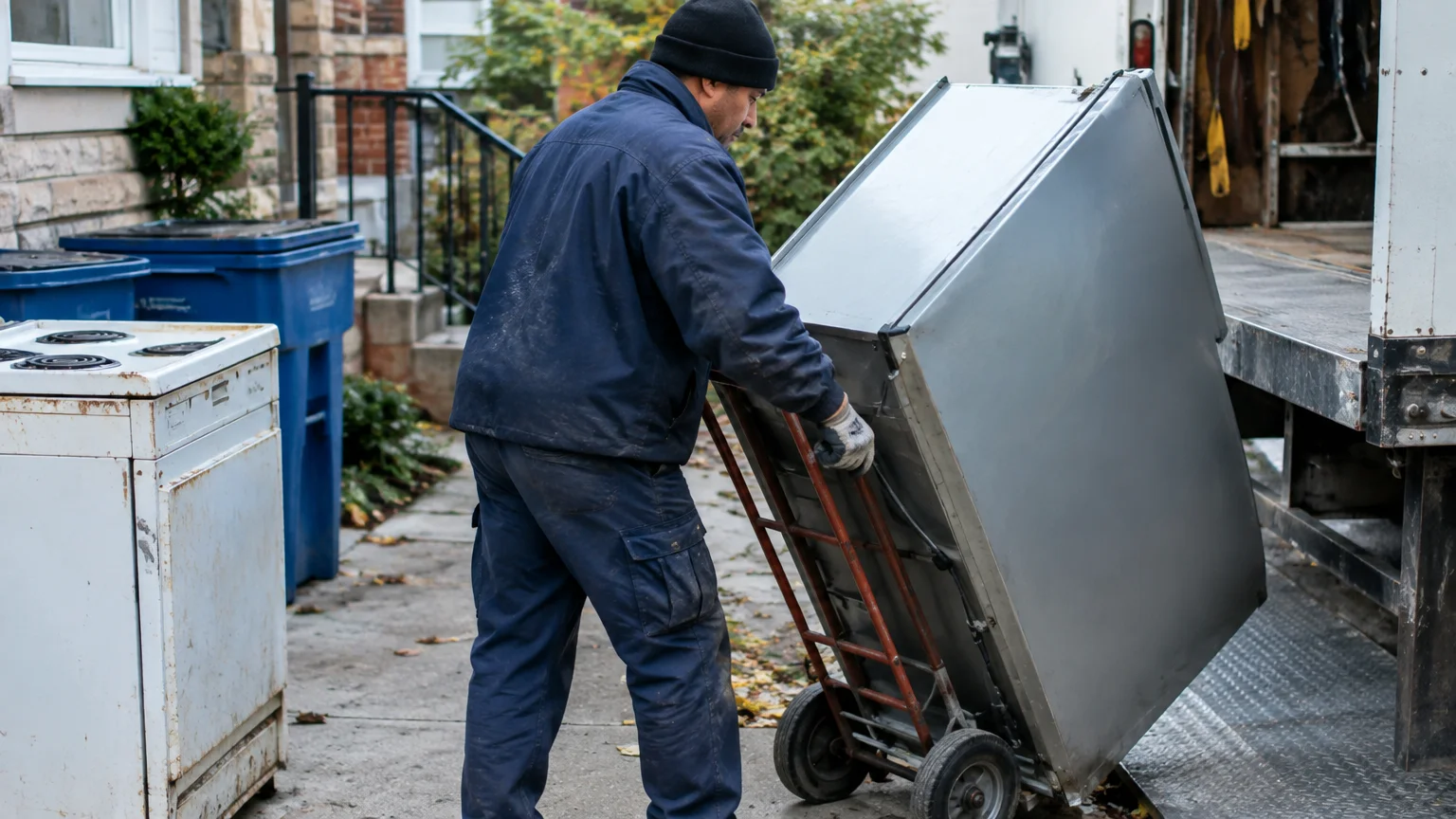
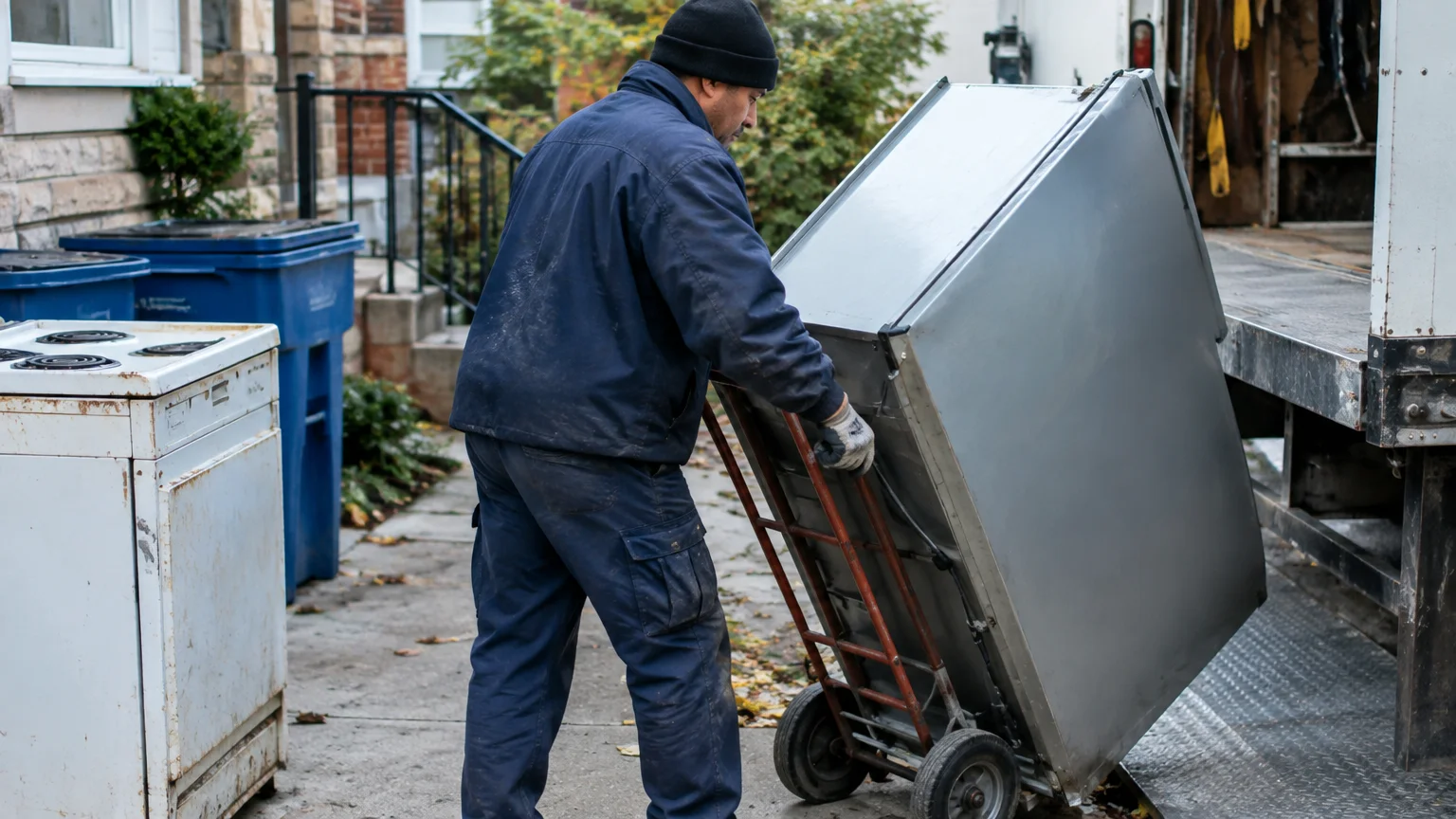
Appliance recycling vs disposal depends on the appliance’s condition, materials, and local rules. Recycling is often the better eco choice because it keeps metal, plastic, and glass in use. Disposal may be needed for unsafe or rejected units. Safe removal also helps prevent leaks, injuries, and illegal dumping in Petaluma.
Table of Contents
- Is appliance recycling better than disposal?
- Which old appliances can be recycled?
- What happens to appliances during recycling?
- When should an old appliance be donated instead?
- What are the environmental risks of improper appliance disposal?
- How can homeowners prepare appliances for eco-friendly removal?
- How do you choose an appliance removal option?
Is appliance recycling better than disposal?
Appliance recycling is often better than disposal when a unit can be moved and processed safely. Recycling means taking an old product apart so its materials can be used again. Disposal means sending it to an approved landfill, transfer station, or waste facility.
Recycling can keep bulky waste out of landfills. It also helps recover steel, aluminum, copper, plastic, glass, and wiring. Large appliances should not be treated like normal household trash because they contain many useful materials.
The best choice depends on the appliance’s condition. A working refrigerator may be reused or donated. A broken washer may need a recycling center or appliance removal service. A unit with leaking fluids needs special care before it is moved.
Petaluma Junk Removal helps homeowners, landlords, and business owners review these choices. The right plan may include donation, recycling, parts recovery, or approved disposal. The goal is to keep useful items in use and handle unsafe parts correctly.
What makes appliance recycling an eco-friendly choice?
Recycling keeps heavy materials out of the waste stream. It can also lower the need for new raw materials. Reuse is often better still because the whole appliance remains in service.
The item must go through the right channel. Taking an appliance to a general dump does not make the process eco-friendly. A responsible provider should explain where the unit goes and how special parts are handled.
When might disposal be necessary?
Disposal may be needed when an appliance is badly damaged, unsafe, dirty, or refused by a recycling facility. Some old units have parts that need trained handling. Local facilities may also have special rules for refrigerators, freezers, and air conditioners.
Disposal should mean an approved facility, not an alley, vacant lot, or curb without permission. Property owners should check local pickup rules before placing a large appliance outside. Rules can differ by city, county, and waste district.
Which old appliances can be recycled?
Many large household appliances contain materials that can be recovered. Refrigerators, freezers, washers, dryers, stoves, ovens, and dishwashers may all qualify. Acceptance depends on the facility, the unit’s condition, and the materials inside.
A recycling center may ask for the make, model, size, or appliance type. It may also require doors to be removed or fluids to be drained by an approved worker. Owners should not guess about these steps because poor preparation can cause injury or damage.
Appliance Removal can help with heavy units that one person cannot move safely. This can help during a remodel, rental change, office move, or property cleanout. It also keeps bulky items from being left beside a road.
How are refrigerators and freezers handled?
Refrigerators and freezers need special care because they may contain refrigerant. Refrigerant is a chemical that helps an appliance make things cold. Ask a qualified worker how it will be handled before the unit is crushed or taken apart.
These appliances may also contain insulation, oil, wiring, shelves, and controls. A proper facility can separate the parts and send them through the right process. Never cut cooling lines, puncture tanks, or remove sealed parts at home.
People looking for who takes old freezers should ask if the provider accepts cooling appliances. They should also ask if refrigerant recovery is part of the handling process.
Can washers, dryers, stoves, and dishwashers be recycled?
Washers, dryers, stoves, ovens, and dishwashers are often recyclable because they contain much metal. Motors, drums, heating parts, wires, controls, and plastic pieces may be separated during processing.
Gas stoves and dryers need extra care. A gas line must be shut off and disconnected safely. Electric units should be unplugged before pickup. Homeowners should not move a connected appliance across a room or down steps without the right tools.
Dishwashers can hold water, hoses, wires, and sharp metal edges. A removal team can help protect floors and walls while carrying one out. This matters when the unit is built into cabinets or sits in a small kitchen.
What happens to appliances during recycling?
Recycling often starts with an inspection and safe preparation. The appliance is checked for fluids, gas connections, batteries, electronics, and reusable parts. Workers then take it apart or process it so the materials can be separated.
The process depends on the appliance. A refrigerator needs refrigerant recovery. A washer may be separated into steel, copper, plastic, and electronic parts. A stove may contain steel, glass, wires, and gas-related parts.
How are metals, plastics, and glass recovered?
Steel is often separated with large magnets. Other metals may be sorted by weight, size, or special machines. Copper wires and aluminum parts can be recovered for use in new products.
Plastic pieces may be sorted by type. Some plastic can be cleaned and made into new products. Glass shelves, oven doors, and cooktops need separate care because they can break into sharp pieces.
This process turns one large appliance into several material groups. That is why the item should go to a facility that accepts its type. A mixed trash load may not receive the same level of sorting.
Why must refrigerants and other hazardous materials be removed?
Refrigerants, oils, batteries, and some electronic parts can harm people or nature when handled poorly. They may leak during crushing, cutting, or transport. Special handling keeps them contained and sends them through approved channels.
Owners should not drain refrigerant or cut sealed cooling lines. They should also avoid removing gas valves, motors, or heavy parts without training. Safe work protects the person doing it and everyone nearby.
An eco-friendly removal plan includes more than finding somewhere to dump an old unit. It includes safe lifting, transport, processing, and material recovery.
When should an old appliance be donated instead?
Donation may be best when an appliance still works well, looks safe, and meets the receiving group’s needs. Reuse keeps the whole product in service instead of breaking it into parts. It may also help another household, tenant, or local group.
A working appliance is not always ready for donation. It should be clean, complete, safe, and free from major damage. Some groups will not accept units with missing cords, broken doors, heavy rust, or poor cooling.
How do you decide whether an appliance is reusable?
Start by testing its main function. A refrigerator should cool properly. A washer should fill, drain, and spin without unsafe noise. A dryer should run with a safe vent. A stove should heat evenly, and a dishwasher should finish a cycle without leaks.
The appliance should have a secure door, intact cord, and steady frame. Small marks may not matter, but sharp edges and exposed wires are serious problems. If the unit cannot be tested, recycling may be more responsible than donation.
Consider the appliance’s age, repair history, energy use, and transport needs. A unit that fails soon after donation may create more work for the receiving group.
What should you check before donating a working unit?
Each charity, reuse center, and community group has its own rules. Some accept only certain brands or sizes. Others require the owner to deliver the item or show that it works.
Ask about pickup, cleaning, testing, and acceptance before moving the appliance. Remove food, clothing, dishes, and personal information from connected smart devices. Keep manuals, racks, trays, and small parts with the unit when possible.
If donation is not available, Petaluma Junk Removal can help Petaluma property owners choose another responsible option. That may include recycling, parts recovery, or approved disposal.
What are the environmental risks of improper appliance disposal?
Improper appliance disposal can cause pollution, injuries, property damage, and blocked access. Large units may tip over, trap children, or create sharp hazards. They may also release fluids or chemicals when damaged.
Leaving an appliance in an alley or empty lot can lead to illegal dumping. It can attract pests and trouble nearby residents. It may also lead to removal costs or local enforcement action for the property owner.
How can abandoned appliances harm people and the environment?
Old appliances often have heavy doors, sharp panels, and exposed wires. A child or pet may climb inside a discarded refrigerator or freezer. Broken glass and metal edges can hurt anyone who handles the unit.
Leaks can affect soil, pavement, storm drains, or nearby water. Damaged insulation and electronic parts can add more waste. Even when the harm is hard to see, the appliance may still need special handling.
Safe removal lowers these risks. It also keeps sidewalks, rental homes, loading areas, and business spaces clear. This matters during moves, remodels, evictions, and cleanouts.
Why do local disposal rules matter?
Local rules explain which facilities accept large appliances and how residents should prepare them. Some communities offer scheduled bulk pickup. Others require delivery to a transfer station or recycling center.
Rules may change based on the appliance type. Refrigerators, freezers, and gas units often have different requirements than metal washers or dishwashers. Homeowners in Petaluma should confirm the current process before putting any unit outside.
Service-area providers may know common local steps, but the owner must still follow official instructions. A quick check with the local waste authority can prevent delays and rejected loads.
How can homeowners prepare appliances for eco-friendly removal?
Preparation starts with safety. Clear a path from the appliance to the exit. Remove food, clothing, dishes, shelves, loose parts, and personal items. Keep children and pets away while the unit is moved.
Do not lift a large appliance alone. Do not drag it across finished floors. Moving blankets, straps, ramps, and appliance dollies can help when used correctly. A professional team may be safer when the unit is heavy, built in, or upstairs.
What should you do before pickup?
A homeowner should complete these steps before the removal team arrives:
- Empty and wipe down the appliance so loose items do not spill.
- Unplug electric units and let heated parts cool fully.
- Shut off gas or water connections through a qualified person when needed.
- Remove shelves, racks, hoses, and loose pieces only when safe.
- Measure doors, halls, stairs, and gates along the planned path.
- Tell the provider about steps, tight turns, gates, or built-in appliances.
Keep manuals and small parts with a working unit meant for donation. For recycling, loose pieces may be handled separately. A provider may give different instructions based on the appliance.
Which appliances require special handling?
Refrigerators and freezers require refrigerant care. Gas stoves and dryers need safe disconnection. Built-in dishwashers may need cabinet or water-line work before removal. Units with damaged batteries, leaking fluids, or exposed wires need extra caution.
Do not cut lines, puncture tanks, or take apart sealed systems. Describe the appliance clearly before pickup. Photos may help a provider understand its size and condition without risky movement.
How do you choose an appliance removal option?
The best option depends on condition, access, timing, and local acceptance rules. Donation fits clean, working units. Recycling fits many broken metal appliances. Approved disposal may be needed for unsafe or rejected items.
A professional appliance pickup can help when the unit is too heavy, hard to reach, or unsafe to move. This is common for refrigerators in garages, washers in basements, and built-in dishwashers in small kitchens. It can also help businesses clear several units during a remodel or property change.
Petaluma Junk Removal serves homes and businesses and can discuss a practical removal path for each appliance. The service may include lifting, loading, transport, and sorting for recycling or disposal. Actual handling depends on the unit and the site.
When is professional appliance pickup useful?
Professional pickup is useful when moving the appliance could damage floors, walls, stairs, or the unit itself. It also helps when a property owner lacks a safe vehicle. Large appliances may not fit in a personal car, trailer, or small truck.
It can help landlords, real estate workers, office managers, and homeowners handling a cleanout. One planned pickup may remove several bulky items from a property. The provider should still explain which items are accepted before the visit.
What questions should you ask about recycling and disposal?
Good questions help customers understand what happens after pickup. The provider should answer clearly and avoid vague claims about eco-friendly handling.
- Which appliance types can the provider accept?
- Does the provider handle refrigerators and freezers safely?
- Where do reusable, recyclable, and non-recyclable items go?
- Does the customer need to disconnect gas, water, or electric lines?
- Are there stairs, narrow paths, or built-in units to report?
- What should stay with an appliance intended for donation?
Frequently Asked Questions
Is recycling always better than throwing away an appliance?
Recycling is usually better when a facility can safely accept the appliance. It helps recover metal, plastic, glass, and useful parts. Disposal may still be needed for contaminated, damaged, or rejected units. The key is using an approved facility instead of an illegal dumping area.
Who takes old refrigerators and freezers?
Recycling centers, local waste programs, retailers, and removal providers may accept old refrigerators and freezers. Each option has its own rules. Ask whether refrigerant recovery is handled correctly and whether the unit needs preparation before pickup.
Can a broken washer or dryer be recycled?
Many broken washers and dryers can be recycled for their metal, wiring, motors, and other parts. Acceptance depends on the facility and the unit’s condition. Professional pickup can help when the appliance is too heavy or sits in a tight space.
Should a working appliance be donated or recycled?
Consider donation when the appliance is clean, safe, complete, and reliable. Donation rules vary, so the receiving group should confirm acceptance first. If the unit has major damage, missing parts, or unsafe wires, recycling may be better.
What should homeowners do with an appliance that contains refrigerant?
Homeowners should not cut cooling lines or release refrigerant. Use a provider or facility that handles the unit through the proper process. Keep the appliance intact until trained workers recover the refrigerant and prepare it for recycling or approved disposal.
Key takeaways
- Recycling is usually better than disposal when the appliance can be processed safely.
- Working units may be better choices for donation and reuse.
- Refrigerators and freezers need special refrigerant handling.
- Gas, water, electric, and built-in connections need careful handling.
- Local rules decide where large appliances can be taken.
Conclusion
Appliance recycling vs disposal is not the same choice for every old unit. A clean, working appliance may be donated. A broken metal unit may go to recycling. A damaged or unsafe appliance may need approved disposal and special care.
Careful preparation protects people, property, and the environment. It also gives useful materials a better chance of recovery. For appliance removal in the main Petaluma area—from Historic Downtown and Oakhill-Brewster to Penngrove, Novato, Sonoma, Glen Ellen, and nearby communities—Contact us to arrange responsible pickup and handling.
If you are unsure which option fits, Petaluma Junk Removal can help you review the unit and site before removal.
If you are not sure what you are dealing with, it is worth having someone look at it before it turns into a bigger job. Get in touch with Petaluma Junk Removal today and we will tell you where you stand.